 As the days get longer and the temperatures rise, summer presents the perfect opportunity to refresh your home’s interior and exterior. A summer makeover can breathe new life into your living space, making it feel brighter, more inviting, and perfectly in sync with the season. Here are some expert tips on painting and decorating to help you transform your home into a summer sanctuary.
1. Choose a Light and Airy Colour Palette Summer is all about light, warmth, and vibrancy. When selecting colours for your summer makeover, think in terms of light and airy shades. Whites, soft pastels, and light neutrals can make a room feel more spacious and open. Consider painting your walls in shades of pale blue, mint green, soft pink, or buttery yellow. These colours not only reflect natural light but also create a serene and refreshing atmosphere. 2. Incorporate Bold and Bright Accents While a light base colour sets a perfect summer backdrop, bold and bright accents can add a fun and lively touch. Think about incorporating splashes of coral, turquoise, sunny yellow, or vibrant green through your décor. This can be achieved with accent walls, painted furniture, or through accessories like cushions, rugs, and artwork. 3. Refresh Your Front Door First impressions matter, and nothing says ‘welcome’ like a freshly painted front door. Choose a cheerful colour that complements your home’s exterior and adds a touch of summer vibrancy. Popular choices include classic red, navy blue, teal, or even a sunny yellow. A fresh coat of paint on your front door can instantly uplift your home’s curb appeal. 4. Choose Light and Natural Textures Summer decorating is not just about colours but also about textures. Incorporate natural materials like wicker, rattan, and light wood to bring an element of nature indoors. These materials add a casual, airy feel perfect for summer. Consider lightweight linen or cotton slipcovers for furniture, which are both practical and stylish for the warmer months. 5. Create a Feature Wall If you're not ready to commit to painting an entire room, a feature wall can be a great way to experiment with colour and pattern. Choose a bold wallpaper with a summery pattern like tropical leaves, florals, or geometric designs, or paint a single wall in a bright, contrasting colour. This can add depth and interest to your space without overwhelming it. 6. Update Your Outdoor Space Summer is the season for outdoor living, so don't forget to extend your makeover to your outdoor areas. Paint outdoor furniture in vibrant hues to create a lively patio or garden space. Add colorful cushions, outdoor rugs, and string lights to make your outdoor area feel like an extension of your indoor living space. 7. Use Nature as Inspiration Summer is all about the beauty of nature, so let the outdoors inspire your decorating choices. Bring in plants and flowers to add a fresh, organic element to your décor. Potted plants, hanging baskets, and fresh flower arrangements can brighten any room and bring a bit of the outdoors inside. 8. Refresh Your Window Treatments Heavy drapes and dark curtains can make a room feel closed off and stuffy. For a summer makeover, opt for light and breezy window treatments like sheer curtains or bamboo shades. These not only allow more natural light to filter into your home but also enhance the airy, open feel of your summer décor. 9. Embrace Minimalism Summer is a time to lighten up, so embrace a more minimalist approach to your décor. Clear out clutter and keep your space open and breezy. Select a few statement pieces rather than overcrowding your rooms with furniture and accessories. This minimalist approach can make your home feel more spacious and serene. 10. Personalise with Summer-Themed Décor Finally, add personal touches that celebrate the season. Think beach-themed decorations, nautical accents, or summer-inspired artwork. These personal touches can make your home feel uniquely yours while celebrating the vibrant spirit of summer. In conclusion, giving your home a summer makeover involves embracing light, colour, and natural elements. By following these tips for painting and decorating, you can transform your living space into a bright, cheerful, and inviting haven perfect for the sunny days ahead. Whether you’re refreshing a single room or your entire home, these ideas will help you capture the essence of summer and enjoy a stylish, rejuvenated living space. For help with transforming your home this summer, call the Painters and Decorators Nottingham team today! 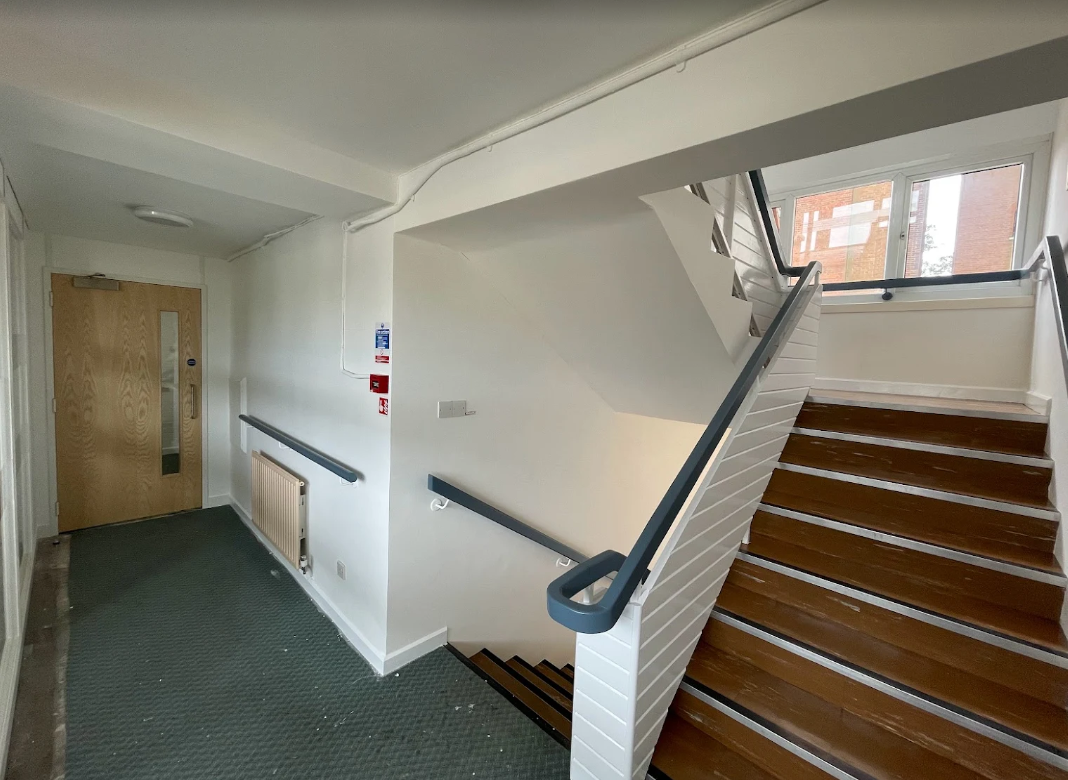 A fresh coat of paint can work wonders for any commercial space, revitalising its appearance and leaving a lasting impression on clients, customers, and employees alike. However, painting a commercial property involves more than just selecting a colour and applying it to the walls. To truly get the most out of your business's paint job, it's essential to approach the process strategically. Here are some valuable tips to ensure your commercial painting project is a success:
Commercial painting is a valuable investment that can significantly enhance the appearance, functionality, and success of your business. By following these tips and approaching the painting process strategically, you can ensure a seamless and successful outcome that leaves a lasting impression on everyone who enters your commercial space.  Your home is a reflection of your personality and style, and a fresh coat of paint or new decorations can breathe life into any space. However, the key to maintaining a beautiful and vibrant home lies in proper care and maintenance. In this article, we'll explore essential home maintenance tips, focusing on how to ensure that your painting and decorating withstand the test of time.
Achieving a long-lasting paint and decorating job requires a combination of careful planning, quality materials, and ongoing maintenance. By investing time and effort into these essential steps, you can ensure that your home remains a beautiful and welcoming space for years to come. With the right approach to home maintenance, you'll not only protect your investment but also enjoy the enduring beauty of a well-maintained home. For help with your maintaining your painting and decorating, call our Painters and Decorators in Nottingham today!  In the realm of home improvement and design, the terms "painting" and "decorating" are often used interchangeably, leading to confusion among homeowners and enthusiasts alike. While both activities contribute to enhancing the aesthetic appeal of a space, it's crucial to recognize the nuanced disparities between painting and decorating. In this blog post, we delve into the fundamental distinctions that set these two art forms
The Art of Painting: At its core, painting involves the application of colour to surfaces, typically walls, ceilings, and other architectural elements. The primary purpose of painting is to protect surfaces from deterioration caused by elements like moisture, sunlight, and everyday wear and tear. Beyond its functional aspect, painting is an expressive art form that allows individuals to infuse personality and ambiance into their living spaces. When engaging in painting, the focus is on selecting appropriate paint types, understanding surface preparation, and applying paint with precision. The colour palette, paint finish, and techniques employed all contribute to the visual impact of a painted surface. Painting serves as the foundational layer in the design process, creating a blank canvas upon which the decorator can build. The Craft of Decorating: Decoration, on the other hand, encompasses a broader spectrum of activities aimed at enhancing the overall aesthetic of a space. Decoration involves the addition of elements like furnishings, accessories, textiles, and artwork to complement the painted surfaces. While painting provides the backdrop, decorating brings the space to life, infusing it with style, texture, and personality. Decorating is a more holistic approach that considers the coordination of colors, patterns, and textures across various elements within a room. It involves selecting and arranging furniture, choosing window treatments, incorporating lighting fixtures, and strategically placing decorative items. The goal of decorating is to create a cohesive and visually appealing environment that reflects the inhabitants' taste and lifestyle. Understanding the Intersection: While painting and decorating are distinct endeavours, they often intersect in the design process. Successful home design integrates both aspects seamlessly, recognizing the symbiotic relationship between the painted canvas and the elements that adorn it. A well-painted room provides a harmonious backdrop for the decorator to showcase their creativity, and thoughtful decoration enhances the impact of the paintwork. Consider a scenario where a carefully chosen colour palette sets the tone for a room. The decorator then builds upon this foundation by selecting furniture that complements the colours, choosing artwork that resonates with the aesthetic, and incorporating textiles that add warmth and texture. In this collaborative dance between painting and decorating, the result is a space that is not only visually appealing but also reflective of the inhabitants' personality and style. Conclusion: In the world of home improvement, understanding the difference between painting and decorating is crucial for creating spaces that are both functional and aesthetically pleasing. Painting provides the canvas, while decorating adds the brushstrokes that bring the space to life. By recognizing the unique contributions of each discipline, homeowners and designers can embark on a journey of creativity, transforming their living spaces into personalized works of art.  Maintaining a rental property comes with its own set of challenges, and one of the most impactful ways to refresh and enhance the space is through a fresh coat of paint. Whether you're a landlord looking to attract quality tenants or a tenant seeking to personalize your living space, this ultimate guide to painting your rental property will provide you with valuable insights and practical tips for a successful painting project.
Painting your rental property can be a rewarding and cost-effective way to refresh the space and make it feel like home. By obtaining permission, choosing neutral colours, investing in quality paint, and following the other tips in this ultimate guide, you can ensure a successful painting project that enhances both the aesthetic appeal and market value of your rental property. 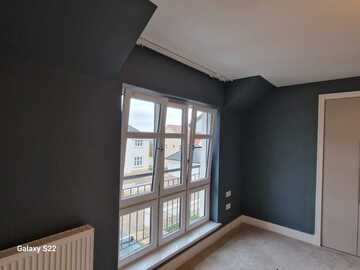 Painting your home is not just about adding a fresh coat of colour to your walls; it's also about protecting your investment and maintaining the overall well-being of your property. If you're a homeowner in Nottingham or the surrounding areas, understanding when and why to repaint your home is essential. In this guide, our expert painters and decorators in Nottingham will provide you with valuable insights into how often you should paint your home and the compelling reasons behind it.
The Frequency of Painting: 1. Exterior Painting: External Wood: If your home has external wooden items, you can typically expect to repaint it every 3 to 7 years. The precise timeframe depends on factors such as the quality of the paint, your local climate, and the level of maintenance your exterior receives. Render: Rendered surfaces are durable and can go for 5 to 10 years between paint jobs. However, like any exterior surface, this timeframe can vary due to environmental conditions and maintenance. Brick: Brick exteriors, renowned for their longevity, can often go 15 years or more before requiring a fresh coat of paint. In most cases, repainting brick is done for aesthetic reasons rather than structural necessity. 2. Interior Painting: Living Areas: High-traffic areas like living rooms and hallways tend to need repainting every 3 to 5 years. Frequent use, scuffs, and the need for a fresh look are all factors to consider. Bedrooms: Bedrooms and other low-traffic areas can go longer without a repaint, typically 5 to 10 years between refreshes. Kitchens and Bathrooms: Due to higher humidity and exposure to moisture, kitchens and bathrooms may require more frequent repainting, typically every 3 to 5 years to maintain both aesthetics and functionality. Factors Influencing Paint Durability: The longevity of your paint job is influenced by various factors: 1. Quality of Paint: Choosing high-quality paint can significantly extend the life of your paint job. Premium paints are more durable and offer better protection against the elements. 2. Climate: Weather conditions in the UK can be unpredictable. Harsh weather conditions, such as extreme heat, cold, and moisture, can accelerate the need for repainting. Regular maintenance and inspections can help identify when it's time for a fresh coat. 3. Surface Preparation and Maintenance: Proper surface preparation, such as filling cracks and smoothing surfaces, is crucial to ensure that the new paint adheres well. Routine maintenance, such as cleaning and addressing minor issues, can extend the lifespan of your paint job. Ignoring small problems can lead to more significant and costly repairs in the future. Why Repaint Your Home: Now that we've discussed how often you should repaint, let's delve into the reasons behind repainting your home. Protective Barrier: The primary purpose of paint is to serve as a protective barrier for your home. It shields your exterior and interior surfaces from the elements, including water, UV rays, and temperature fluctuations. This protection is crucial for maintaining the integrity and longevity of your property. 2. Aesthetics: Fresh paint can do wonders for the appearance of your home. It's an easy and cost-effective way to enhance curb appeal, create a more inviting atmosphere, and personalize your living space. Whether you're looking to sell your home or make it more comfortable for your family, a new coat of paint can achieve both. 3. Prevent Damage: Regular repainting helps identify and address minor issues before they become major problems. Cracks, peeling, and other imperfections can be signs of underlying issues that need attention. Tackling these problems early can save you money and preserve the structural integrity of your home. 4. Property Value: Homes that are well-maintained and freshly painted tend to have higher property values. If you're considering selling your home, a well-painted interior and exterior can attract more potential buyers and potentially increase your asking price. 5. Health and Cleanliness: Repainting not only enhances the look of your home but also contributes to a healthier indoor environment. Fresh paint can seal surfaces, making them easier to clean and reducing allergen build-up. This is particularly important for those with allergies or respiratory conditions. When considering a repaint for your home in Nottingham, it's advisable to consult with professional painters and decorators. They can provide a personalised assessment of your home's specific needs, recommend suitable paints, and ensure the job is done correctly and efficiently.Moreover, environmentally conscious homeowners should explore the use of eco-friendly, low-VOC (volatile organic compounds) paints. These options are not only more sustainable but also promote better indoor air quality, making them a responsible choice for your home and the environment. In conclusion, painting your home is not just a matter of aesthetics but also a fundamental aspect of property maintenance. Understanding the ideal frequency of repainting and the reasons behind it can help you make informed decisions about keeping your Nottingham home looking its best and standing the test of time. If you're considering a paint job for your home, reach out to our skilled painters and decorators in Nottingham for professional guidance and exceptional results.  If you've ever walked into a room with beautifully hung wallpaper, you know the difference it can make. Wallpaper can transform a space, adding texture, personality, and charm. However, achieving that flawless finish requires more than just adhesive and a roll of paper. To help you hang wallpaper like a pro, we've gathered some invaluable tips from the experts at Painters and Decorators Nottingham.
1. Prepare Your Wall Surface Before you even think about unrolling that wallpaper, make sure your wall is in optimal condition. Fill any holes or cracks with filler and sand down rough patches. A smooth, clean surface will ensure your wallpaper adheres evenly and looks impeccable. 2. Selecting the perfect wallpaper is crucial Consider the room's purpose, lighting, and existing décor. Painters and Decorators Nottingham suggest opting for high-quality wallpaper that suits your style. Vinyl, for instance, is durable and easy to clean, making it ideal for kitchens and bathrooms, while textured papers can add depth and interest to living spaces. 3. Measure and Cut Precisely Measure your walls meticulously, taking into account any windows, doors, or other obstacles. Always cut your wallpaper with a bit of extra length to allow for adjustments during application. Precision is key here; even a slight miscalculation can throw off your entire pattern. 4. Create a Plumb Line To ensure your wallpaper aligns perfectly straight, establish a plumb line using a spirit level. This vertical guideline will serve as your reference point for starting the first strip. It's a small step that makes a significant difference in the final result. 5. Use the Right Adhesive Different types of wallpaper require specific adhesives. Painters and Decorators Nottingham recommend checking the manufacturer's instructions for guidance. For non-woven wallpapers, apply adhesive directly to the wall, while for traditional wallpapers, apply it to the paper itself. Allow the adhesive to soak in for the recommended time to activate its bonding properties. 6. Book the Wallpaper Booking your wallpaper involves folding it gently, adhesive-side to adhesive-side, with the ends meeting in the middle. This allows the paper to relax and expand, preventing bubbles and ensuring a tight fit against the wall. 7. Start in a Strategic Location Begin applying the wallpaper in a corner or behind a piece of furniture where any imperfections won't be as noticeable. Align the edge with your plumb line and smooth it out from top to bottom, pushing out any air bubbles as you go. 8. Trim Excess Paper Once your wallpaper is in place, use a sharp utility knife and a straight edge to trim the excess paper along the ceiling, baseboard, and corners. Be sure to replace your blade if it starts to dull, as a clean cut is essential for a professional finish. 9. Seam Roll for a Seamless Look To ensure the seams of your wallpaper are invisible, use a seam roller to gently press them down. This step helps the paper adhere securely to the wall and creates a seamless appearance. 10. Take Your Time and Be Patient Perhaps the most important tip of all is to be patient and take your time. Hanging wallpaper can be a meticulous process, but the result is worth the effort. Don't rush through it; instead, enjoy the transformation as each strip of wallpaper brings your room to life. By following these expert tips from Painters and Decorators Nottingham, you can hang wallpaper like a professional and achieve stunning results in your home. Remember, practice makes perfect, so don't be discouraged if your first attempt isn't flawless. With time and experience, you can master the art of wallpapering, but if you need any help, our decorators in Nottingham are on hand. Call us today to enquire about our services.  Your home's architectural features have a story to tell, and the right paint choices can turn them into captivating focal points. At Painters and Decorators Nottingham, we understand the transformative power of paint when it comes to enhancing the unique details that make your home special. In this article, we'll explore how you can use paint to elevate your home's architectural features from bland to grand, breathing new life into your living spaces. Crown Moulding and TrimCrown moulding and trim are often overlooked as mere accents, but with the right paint, they can become exquisite design elements. Consider painting crown moulding in a shade that contrasts with the walls, drawing the eye upward and making the room feel taller. Alternatively, paint the moulding and trim in a shade slightly lighter or darker than the wall colour for a subtle yet sophisticated effect. For an even bolder statement, go for a high-gloss finish on the trim. This reflective surface adds a touch of glamour and catches the light in a way that instantly elevates the entire space. Wainscoting and PanellingWainscoting and panelling are timeless architectural features that bring depth and texture to walls. To make them stand out, choose a paint colour that complements the room's overall palette while providing contrast. Painting the lower portion of the wall in a darker hue and the upper portion in a lighter shade can create a sense of balance and elegance. Experiment with paint effects like a distressed or weathered look on paneling for a rustic charm, or choose a metallic paint for a touch of modern opulence. These techniques enhance the architectural features' visual appeal and add personality to your home. Fireplace MantelsA fireplace is often the heart of a room, and the mantel is its crown jewel. By painting the fireplace mantel in a contrasting colour, you can make it the centre of attention. Darker hues can lend a sense of cosiness and depth, while lighter shades create a striking focal point against a bold wall colour. For a creative twist, consider using a faux finish, such as a distressed or aged look, to add character and intrigue to the mantel. This technique can turn a simple fireplace into a conversation-worthy masterpiece. Staircases and RailingsStaircases and railings present an excellent opportunity to showcase your home's architectural features. If you have a wooden staircase, consider painting the risers a different colour than the treads, creating a charming and eye-catching visual contrast. When it comes to railings, think beyond traditional white or black. Experiment with metallic finishes, such as gold or bronze, to add a touch of luxury. If your home has a more modern aesthetic, a sleek and monochromatic railing can lend an air of sophistication. Columns and BeamsIf your home features columns or exposed ceiling beams, these architectural details can be beautifully emphasized with paint. A bold, contrasting colour can make columns a sculptural element in the room, drawing attention to their unique shape. For ceiling beams, consider painting them in a complementary shade to create depth and dimension in the space. To maintain a cohesive look, tie the colours of columns and beams into the room's decor by incorporating matching accessories or textiles. ConclusionArchitectural features are the backbone of your home's design, and paint can bring them to life in remarkable ways. At Painters and Decorators Nottingham, we specialize in transforming the ordinary into the extraordinary. By strategically choosing paint colours, finishes, and effects, you can highlight these features to make a lasting impression on anyone who enters your home. Let your home tell a story of elegance, personality, and sophistication through the power of paint.
 Transforming your home into a beautiful and inviting space doesn't have to break the bank. With some creativity and resourcefulness, you can achieve stunning results without draining your wallet. At Painters and Decorators Nottingham, we believe that everyone deserves a stylish home, regardless of their budget. In this article, we'll share some valuable tips and tricks for affordable home makeovers that will leave your space looking amazing.
Plan and Prioritize The key to any successful budget home makeover is planning. Start by assessing the areas of your home that require attention. Make a list of the rooms or spaces that you want to decorate, and prioritize them based on urgency and the impact the changes will have. This will help you focus your efforts and funds where they matter the most. Repurpose and Upcycle One person's trash is another person's treasure, and this is particularly true when it comes to home décor. Before splurging on new items, consider repurposing and upcycling existing furniture and decorations. A fresh coat of paint can work wonders on old furniture, giving it a new lease of life. You can also explore DIY projects, like turning old wooden crates into stylish shelves or converting vintage items into decorative pieces. Embrace Paint Power Paint is one of the most cost-effective ways to transform any space. A fresh coat of paint can make a room look brighter, larger, and more modern. Opt for neutral colours to create a timeless look or add a splash of bold colour to create a focal point. You can even experiment with accent walls to elevate the room's aesthetics without the need for additional décor. Wallpaper Wonder If you crave patterns and textures but find wallpaper expensive, consider using it strategically. Instead of wallpapering an entire room, focus on a single wall to create a statement feature. This not only saves money but also makes the application process more manageable, especially if you're a DIY enthusiast. Thrift and Second-hand Shopping When it comes to home décor, second-hand shops are hidden gems for finding unique and budget-friendly pieces. You can discover vintage frames, decorative plates, and various knick-knacks that add character to your home. Keep an open mind and a discerning eye, as sometimes a little creativity can turn seemingly ordinary items into extraordinary décor elements. DIY Artwork and Decorations Don't underestimate the power of your creativity. Channel your inner artist and create your own artwork to adorn the walls. Frame photographs, illustrations, or paintings made by you or your family members. Additionally, craft decorative items like handmade candles, vases, or throw pillows to add a personal touch to your space. Greenery and Nature's Touch Houseplants not only improve indoor air quality but also add a refreshing touch to your home décor. Incorporate greenery into your space with low-maintenance houseplants that suit your lifestyle. Visit local plant nurseries or seek cuttings from friends and family to grow your plant collection without spending a fortune. Lighting Magic Strategic lighting can significantly impact the ambiance of your home. Experiment with different lighting fixtures and setups to create the desired atmosphere in each room. Consider energy-efficient LED bulbs to save on electricity costs in the long run. Focus on Small Details Sometimes, it's the little things that make the most significant difference. Update cabinet hardware, switch out old doorknobs, and replace outdated light switch covers. These small changes may seem trivial, but they contribute to an overall refreshed look and feel. Seek Professional Advice When working on a budget, seeking professional advice from experienced painters and decorators can be invaluable. They can help you prioritize your projects, suggest cost-effective solutions, and provide insights into maximizing your budget for the best results. Remember, a beautiful home doesn't have to come with a hefty price tag. By following these budget-friendly tips and tricks, you can achieve stunning transformations and create a space you'll love to call home, without burning a hole in your pocket. For help with your decorating your property on a budget, call our Painters and Decorators in Nottingham today.  When it comes to painting, selecting the right paint colour is just the beginning. Choosing the perfect paint sheen or finish is equally important in achieving the desired look and functionality of your painted surfaces. Different paint sheens offer varying levels of durability, shine, and ease of maintenance. In this comprehensive guide, we'll walk you through the various paint sheens available and help you understand their characteristics, applications, and ideal uses. Whether you're painting walls, trim, or furniture, having a solid understanding of paint sheens will empower you to make informed decisions and achieve professional results. Flat/Matte Finish: A Soothing and Concealing OptionFlat or matte finishes offer a smooth and non-reflective appearance, making them an excellent choice for hiding imperfections on walls and ceilings. This low-sheen finish is ideal for spaces where a more subdued and soft ambiance is desired, such as bedrooms, living rooms, and dining areas. However, it is important to note that flat/matte finishes can be more challenging to clean and are not as durable as higher sheen options. Eggshell Finish: A Versatile and Easy-to-Maintain OptionEggshell finishes strike a balance between a matte and satin finish, offering a subtle sheen that is easy to clean and maintain. This versatile option is suitable for high-traffic areas like hallways, kitchens, and bathrooms, as it resists stains and withstands light scrubbing. It provides a smooth and soft appearance, making it a popular choice for walls, trim, and even furniture. The slight sheen adds a touch of elegance without being overly reflective. Satin Finish: A Durable OptionSatin finishes are known for their subtle sheen and durability. They offer a smooth, velvety appearance that is easy to clean, making them suitable for spaces that require frequent wipe-downs, such as kitchens, bathrooms, and children's rooms. Satin finishes are also popular for trim, doors, and furniture, as they provide a hint of lustre without being too shiny. It is important to properly prepare the surface when using satin finishes, as they tend to accentuate imperfections. Semi-Gloss Finish: A Glossy and Protective OptionSemi-gloss finishes are known for their high sheen and exceptional durability. This glossy finish adds a reflective and polished look to surfaces, making it an excellent choice for trim, doors, and cabinets. Semi-gloss finishes are highly resistant to moisture, stains, and scratches, making them ideal for areas that require frequent cleaning, such as kitchens, bathrooms, and utility rooms. However, it's important to note that the glossy nature of this finish can highlight surface imperfections, so proper surface preparation is crucial. High-Gloss Finish: A Sleek and Dramatic OptionHigh-gloss finishes offer the highest level of sheen and create a sleek, mirror-like effect on surfaces. This dramatic finish is often used for accent pieces, furniture, and decorative elements. It provides a luxurious and polished look, but it is less forgiving when it comes to surface imperfections. High-gloss finishes are highly durable, resistant to stains and moisture, and are easy to clean. They are ideal for creating a focal point or adding a touch of glamour to a space. However, due to their intense shine, they may require more maintenance to keep fingerprints and smudges at bay. ConclusionChoosing the perfect paint sheen is essential for achieving the desired aesthetic and functionality in your painted surfaces. By understanding the characteristics and applications of different paint sheens, you can confidently select the right finish for each area of your home, creating stunning and durable results that align with your vision.
For more help and advice with your decorating, call Painters and Decorators Nottingham today! |
AuthorPainters and Decorators Nottingham - Leading professional decorators in Nottingham Archives
February 2024
Categories |
 RSS Feed